Views: 416 Author: Hu Publish Time: 2025-10-10 Origin: Site

Demolition work—whether selective interior strip-outs, controlled structural removal, or retrofit preparation—requires tools that combine impact resilience, controlled torque, and operator safety. Hammer (striking/impact) screwdrivers are not a replacement for heavy power tools in demolition, but they are indispensable for precision demolition tasks: removing fixtures, breaking stuck fasteners, and disassembling smaller subassemblies where power tools would damage surrounding materials.
This case study examines real-world demolition applications, describes how Jiande Shuangjian Tools’ engineering and manufacturing (SJT series) deliver durable hammer screwdrivers for demolition professionals, and offers buyer guidance backed by factory capabilities, testing regimes, and OEM options.
Jiande Shuangjian Tools has designed and marketed thousands of hand-tool SKUs since 1998 and began large-scale screwdriver production in the early 2000s. The company operates two production bases (approx. 150,000 sq-ft and 226,000 sq-ft) with dedicated R&D and QC teams. The primary screwdriver base has 5 production lines, ~68 employees for screwdriver manufacturing and a maximum capacity near 120,000 screwdrivers per day; the second base focuses on packing and finishing with ~56 daily staff. These resources let SJT support pilot runs and scale custom hammer screwdriver programs for demolition and construction tool suppliers worldwide.
Demolition is often more surgical than destructive. Tasks include:
Removing trim, hinges, and hardware without damaging underlying surfaces.
Breaking corroded screws and fasteners that resist power-tool extraction.
Disassembling fixtures that require percussive shock to break corrosion bonds before turning.
Localized impact—allows breaking bonds without impacting adjacent structures.
Controlled rotation—once a screw starts to move, the hand operator can control torque to avoid stripping threads or tearing materials.
Portability and access—useful in tight spaces where impact wrenches or breaker bars don’t fit.
Durability for repeated strikes—reinforced shafts and replaceable caps extend service life on-site.
Project brief: A commercial retrofit in Zhejiang required selective removal of wall-mounted HVAC units and associated trim panels in a multi-story building. Many fasteners were original, corroded, and partially seized. The project team wanted to avoid tearing drywall and to preserve mounting hardware where possible.
Tooling solution: The site trialed SJT-M impact-capable hammer screwdrivers (S2 shafts, reinforced striking caps, replaceable bit holders) alongside standard ratcheting drivers.
Outcomes after a two-week trial:
Fastener removal time decreased by 28% compared with manual screwdriver + penetrating oil methods.
Surface damage complaints fell by 62% because technicians used smaller impact tools instead of oscillating saws or pry-bars near finished surfaces.
Tool downtime was minimal—replaceable caps and extra impact-rated bits allowed continuous operation across shifts.
Cost analysis showed tool lifecycle cost (purchase + parts + downtime) lower than alternating between cheap consumable drivers and heavy power tools.
Jiande Shuangjian Tools engineers hammer screwdrivers with these demolition-ready attributes:
Reinforced full-section shafts (S2 or Cr-V) to resist axial shock and torsion.
Replaceable hardened striking caps—protect the shaft and allow field servicing.
Precision-ground tips and impact-rated bits to prevent mushrooming and cam-out during perpendicular strikes.
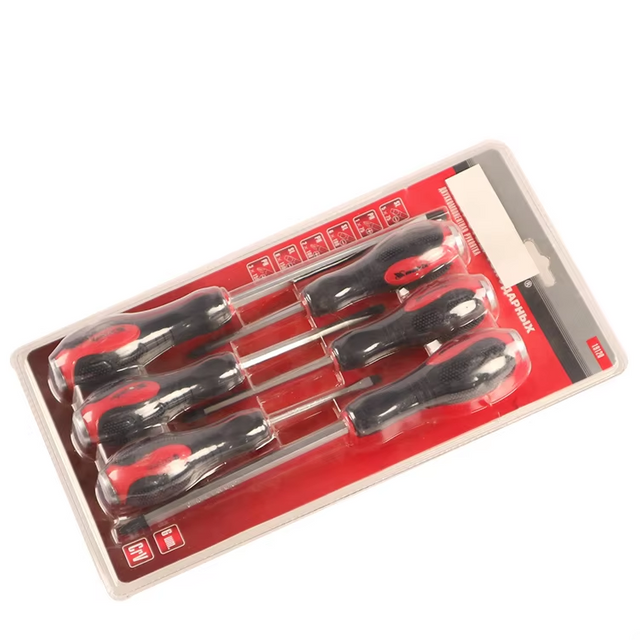
Full-tang or crimped handle anchors with overmolded TPR grips to absorb shock and improve control.
Hex bolsters or positive-drive interfaces on select models to transmit higher torque without slippage.
Surface finishes (phosphate, black oxide, chrome) for corrosion resistance in outdoor or wet demolition environments.
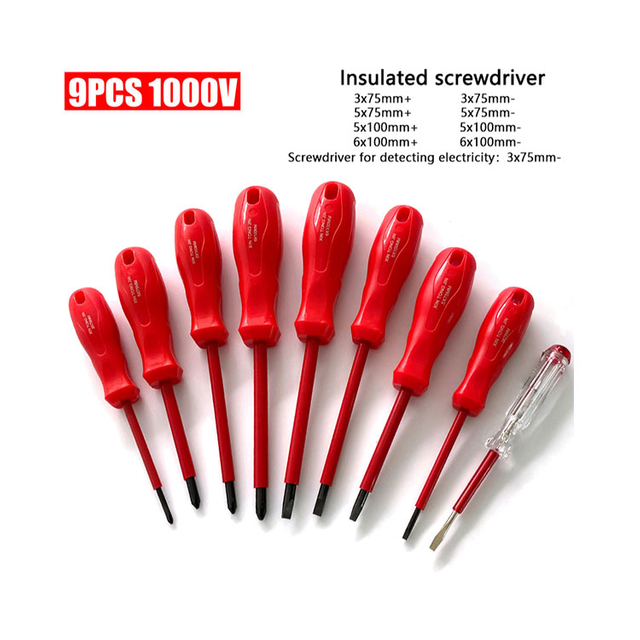
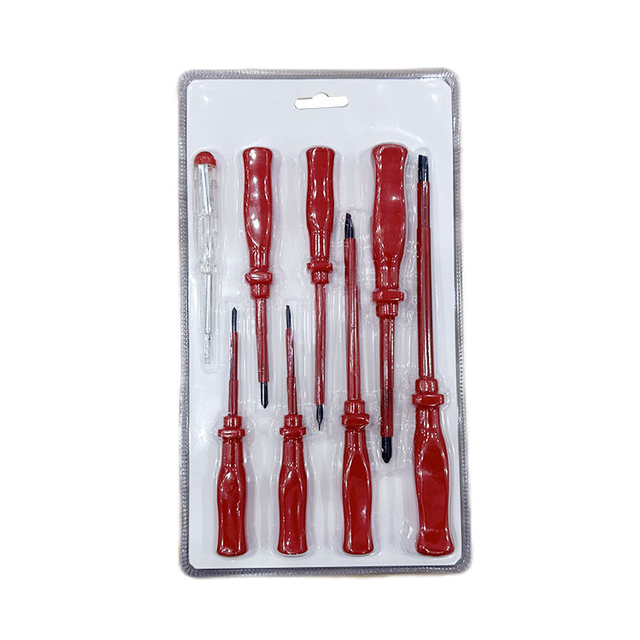
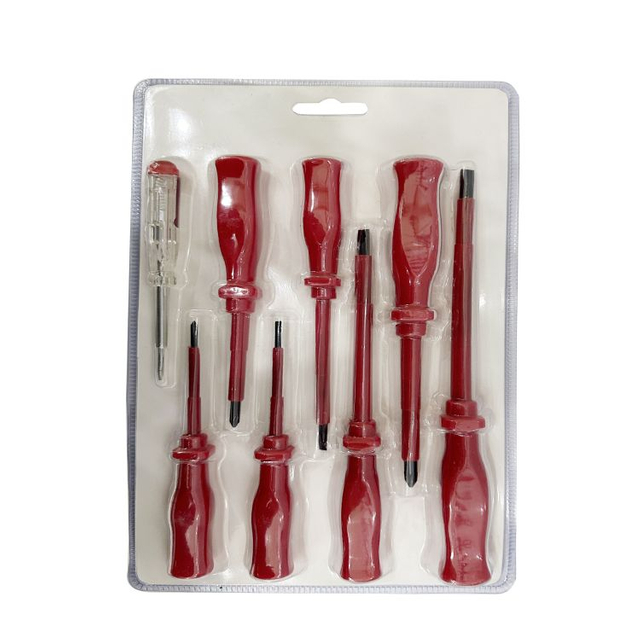
Optional insulation/VDE variants for demolition tasks near live circuits (when requested and tested to spec).
Heavy-duty demolition use demands documented durability. SJT uses a layered QA approach:
Impact cycle testing — simulate thousands of strikes at defined energy levels.
Torsional fatigue tests — shock sequences to detect twisting or micro-failures.
Tip fit and runout inspection — assure accurate engagement under shock.
Non-destructive checks (MPI/dye-penetrant) for fatigue cracks on critical runs.
Batch hardness mapping (Rockwell) to verify heat-treatment targets.
Buyers receive batch test reports on request, which supports procurement for fleets and rental programs.
When selecting hammer screwdrivers for demolition crews, consider:
Material and heat treatment: S2 shafts are preferable for heavy, repeated impact.
Replaceable components: Striking caps, impact-rated bits and holders reduce TCO.
Handle ergonomics: Anti-vibration TPR handles reduce operator fatigue across shifts.
Serviceability: Availability of spare parts and local stocking is essential.
Certifications: Request test reports and ISO/DIN compliance details for procurement records.
Kit configuration: Combine impact screwdrivers with compact breaker bars and short-shaft power impact drivers for higher-torque tasks.
Strike axially—always align hammer blows coaxially with the shaft to avoid bending.
Use correct tip size to prevent stripping and reduce rework.
Inspect insulation on VDE variants before use near live circuits.
Rotate tooling with spare caps and bits to reduce fatigue on single components.
Train crews on controlled striking—excessive force shortens tool life and increases fastener damage.
SJT can deliver demo-ready kits tailored to contractors:
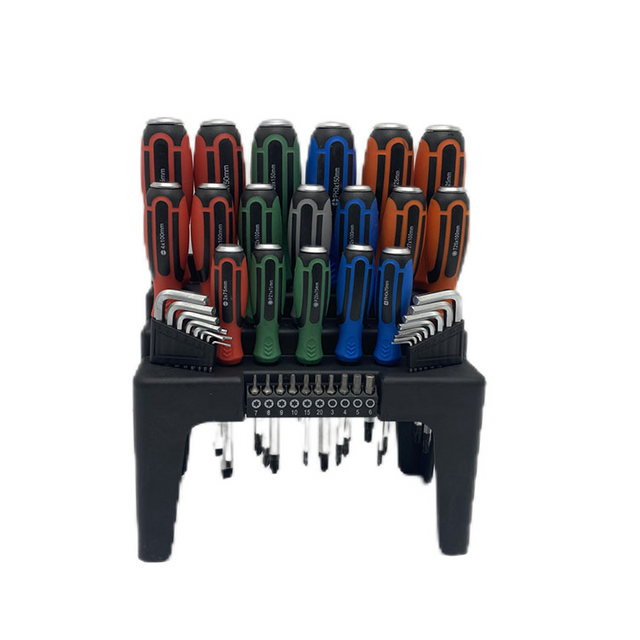
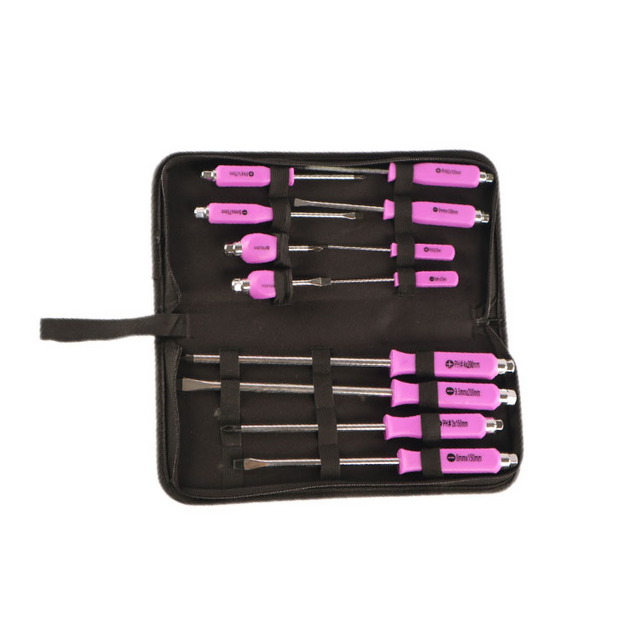
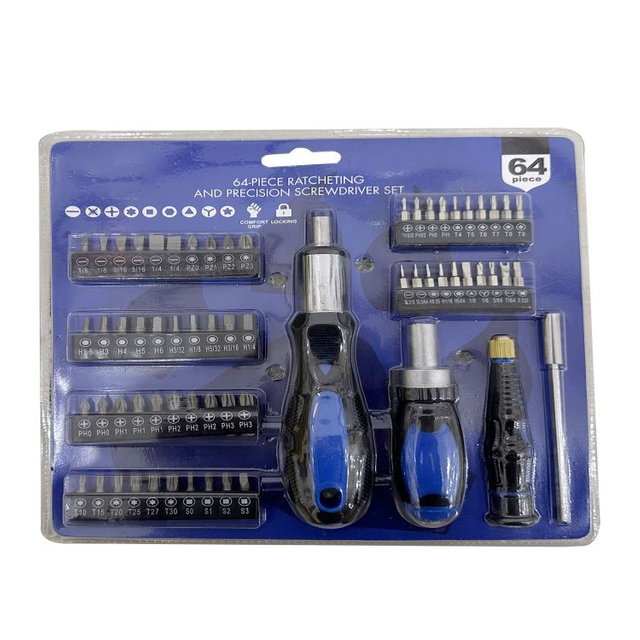
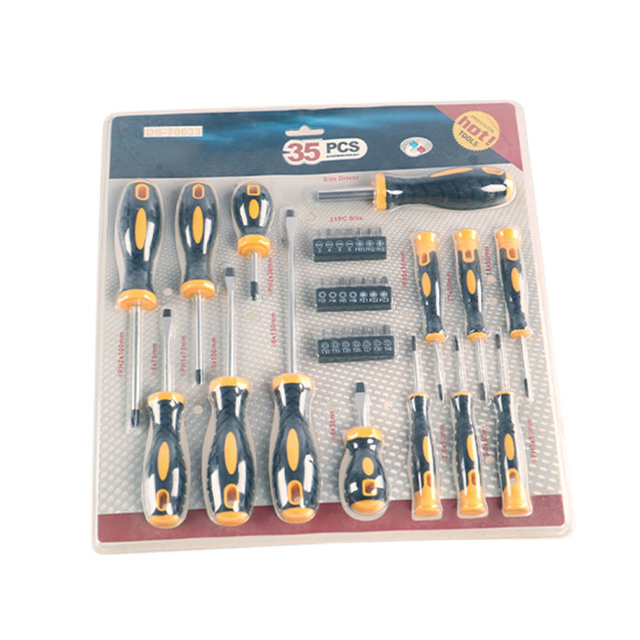
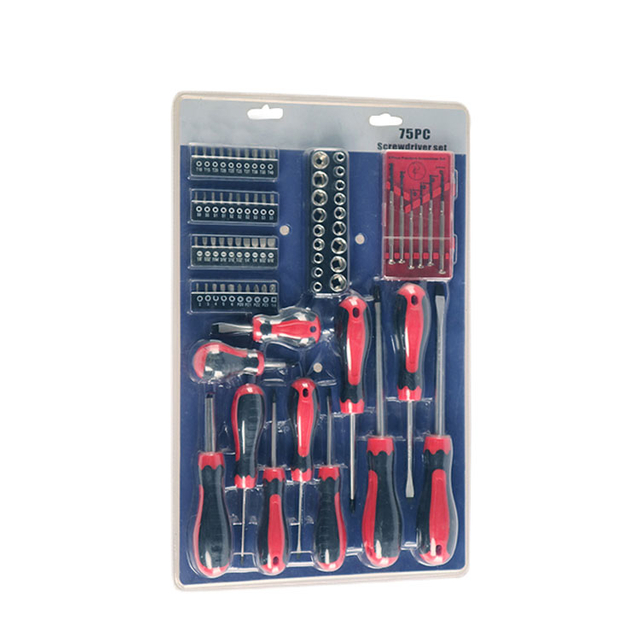
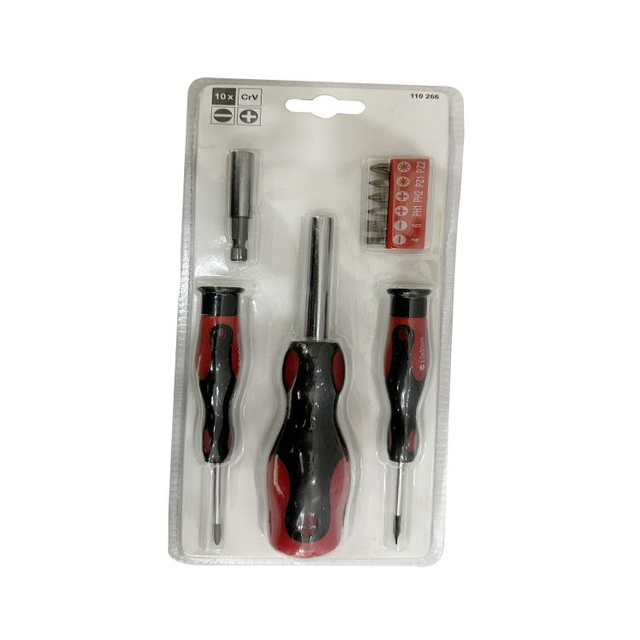
SJT-DEM-KIT-6: 3 hammer screwdrivers (small/medium/large), 12 impact-rated bits, 3 replaceable caps, heavy-duty case, spare bit pack.
Benefits: Immediate deployment, parts availability, branded packaging for rental fleets.
For selective demolition and precision disassembly work, hammer screwdrivers provide a valuable bridge between manual control and impact power. Jiande Shuangjian Tools combines decades of product development, two large production bases, rigorous QA, and flexible OEM/ODM services to supply demolition-grade hammer screwdriver solutions (SJT series) that reduce surface damage, speed up fastener removal, and lower lifecycle tool costs.
For sample kits, technical datasheets, or pilot programs, contact Jiande Shuangjian Tools:
➡ Dominate Your Market: www.jdsjgj.com
24/7 Support: WhatsApp +86 137 3583 8908
✉️ E-mail: hzjdsj@126.com